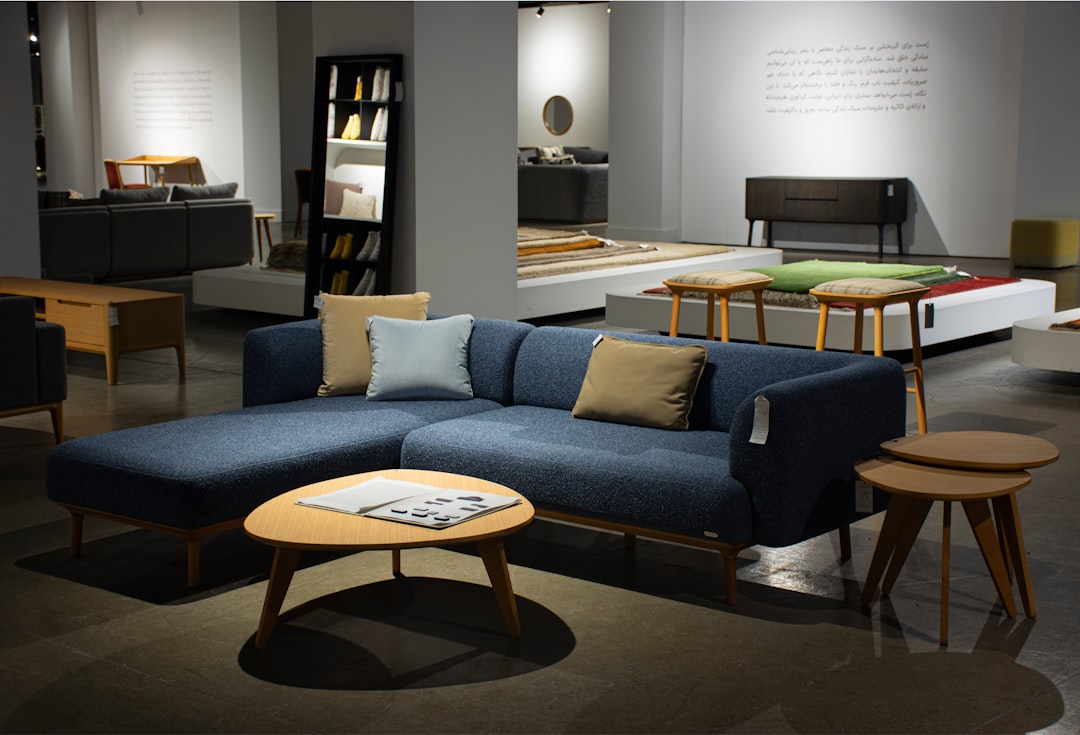
Most HDB living rooms hover around 12–16 sqm — enough space for a sofa, TV console, and coffee table, but only if you’ve measured twice. Bay windows eat into that floor area; built-ins like shoe cabinets or storage units can slice off another metre. And don’t forget the swing radius of doors — that’s often where buyers realise their planned sectional sofa won’t fit.
Accurate measurements start with sketching the room’s footprint. Include bay windows as part of the floor space, even if they’re not usable; they’ll dictate where furniture can go. Built-ins typically protrude 30–50cm, so factor that into your layout. For doors, measure the arc they cover when fully open — that’s dead space unless you’re willing to shift furniture every time someone enters.
Compact layouts demand careful furniture choices. A 2-seater sofa often works better than a 3-seater in a 12 sqm room; modular pieces can feel overwhelming if they’re too large. Coffee tables should be scaled down — 80cm wide instead of 120cm — to leave enough walking space. And avoid bulky recliners unless you’re okay with rearranging the room every time you want to use them.
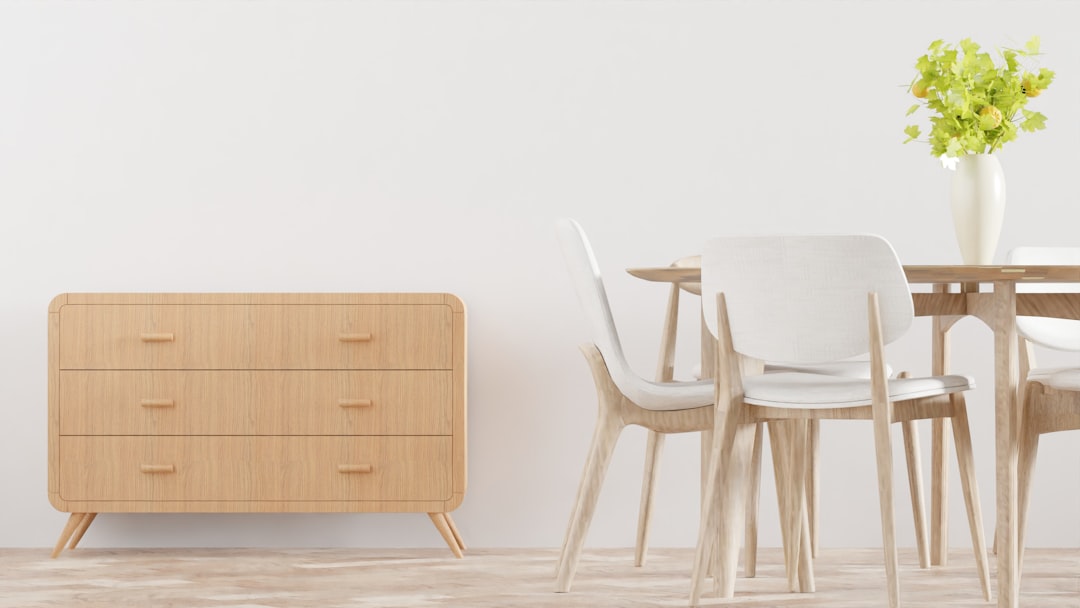
Timing furniture purchases to sales like Christmas or 11.11 can save you hundreds, but don’t let discounts dictate size. A $1,200 sofa at 50% off is still a waste if it blocks your balcony door. Measure first, shop second — and remember, smaller pieces often make a room feel larger.
Singapore’s humidity doesn’t just frizz hair — it warps furniture. A teak coffee table, for instance, might cost more upfront, but it’ll still look pristine after five years of daily use. Engineered wood, with its layered construction, fares well too, resisting the moisture that’s ever-present in HDB flats.
Particleboard, though tempting during a Christmas sale, is a gamble. It’s cheap, sure, but it swells and buckles in Singapore’s 80%+ humidity. That $300 TV console might seem like a steal, but by next monsoon season, it could be sagging under the weight of your soundbar.
For upholstery, performance fabrics like Crypton or Sunbrella are worth the investment. They repel spills and resist mildew, a must for living rooms that double as dining spaces in many HDB layouts. Leather, while durable, can feel sticky in Singapore’s heat — unless it’s perforated for breathability.
Storage units pose another challenge. Plywood drawers, often found in budget-friendly sideboards, can warp over time. Opt for solid wood or metal runners instead — they’ll glide smoothly even after years of humid exposure.
And don’t forget the legs. Metal or plastic feet on sofas and chairs prevent wicking moisture from the floor. It’s a small detail, but one that can save you from a surprise mould patch come Chinese New Year.
Many buyers underestimate delivery lead times, especially during peak seasons like Christmas or Chinese New Year. Orders placed in December often arrive mid-January, leaving living rooms bare during festive gatherings. Retailers like IKEA or Castlery typically quote 4–6 weeks, but delays can stretch to 8 weeks during warehouse sales. Planning ahead ensures your new sofa or coffee table arrives before the celebrations begin.
HDB flats often have narrow stairwells, making it tricky to move large furniture pieces upstairs. A 3-seater sofa might fit through the lift, but bulky sectionals or oversized TV consoles won’t. Buyers should measure doorways, lifts, and staircases before committing — a 90cm clearance is standard, but older estates might be tighter. Ignoring this can lead to costly returns or disassembly fees.
Living rooms in HDB flats average 12–15 sqm, yet buyers frequently overestimate how much furniture fits. A 2.5m sofa might dominate the room, leaving no space for side tables or storage units. Measuring your floor plan beforehand avoids overcrowding — apps like IKEA’s Room Planner help visualise layouts. Remember, less is often more in compact spaces.
Sales events lure buyers with discounts, but hidden costs add up. Delivery fees, assembly charges, and GST can inflate the final bill by 20–30%. Shoppers should factor in these extras when budgeting — a $1,200 sofa might end up costing $1,500 after all fees. Comparing total costs across retailers like Courts or FortyTwo ensures you stay within budget.
Deep discounts often mean compromises in materials or craftsmanship. A $999 sofa might look great but use thin foam or low-grade fabric that sags within months. Buyers should inspect samples in-store — rubberwood frames and high-density foam typically last longer than particleboard or polyester blends. Investing a little extra upfront saves money on replacements later.
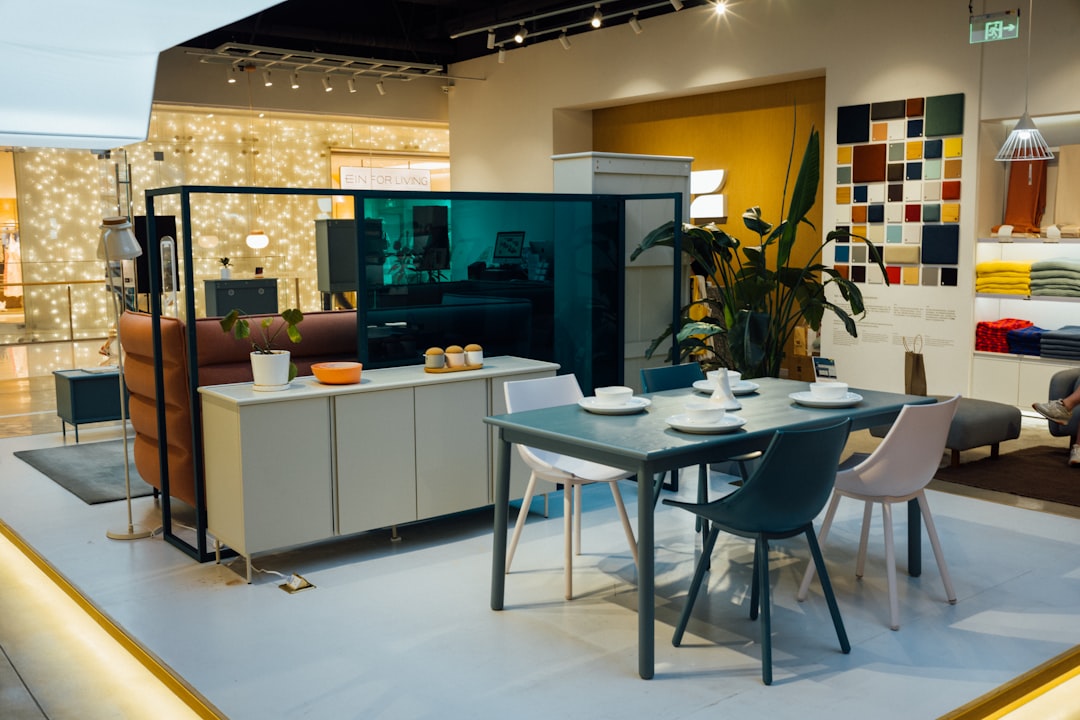
A three-seater sofa might look perfect in a showroom photo—until it arrives and blocks half your HDB living room’s walkway. That’s why bargain hunters eyeing Christmas sales still trek to physical showrooms; dimensions on paper rarely account for awkward corners or that one structural beam every BTO seems to have.
At Joo Seng and Tampines, the showrooms arrange compact living sets in 4m x 4m mock-ups, roughly the size of a typical HDB lounge. You’ll spot the difference immediately: a 2.1m sofa that fits flush against the wall leaves just enough space for a side table, while anything wider forces a reshuffle. Test the seat depth too—some “space-saving” designs skimp on cushioning, trading comfort for the illusion of roominess.
Warehouse sales might slash prices by 50%, but returns cost more when you’ve misjudged the proportions. Showrooms let you check critical details before committing: whether a coffee table’s edges snag passing elbows, or if the TV console’s cable holes align with your router’s maddening position.
And there’s the unspoken advantage—seeing how finishes hold up under Singapore’s humidity. That grey performance fabric might hide stains better than beige linen, but only if you’ve felt both in person. Sales staff will mention it, but you’ll believe it when you press a wet tissue against the sample swatch and watch the water bead.
Timing helps too. Visit in early November, and you’ll catch pre-sale floor models being cleared—often with minor scratches, always with measurements confirmed by your own tape measure. By December, the best deals have usually shifted online, but the showroom’s layout sketches stay pinned above your light switch for reference.
Delivery slots for HDB flats often run tight — especially during peak sale seasons like Christmas or Chinese New Year. Retailers like IKEA and Castlery typically offer evening or weekend slots, but you’ll need to book early; popular times vanish within hours. Some also charge extra for narrow windows or HDB-specific constraints, like limited lift access or parking restrictions.
Assembly services vary just as much. Smaller brands might throw in free assembly, while others charge $50 to $150 depending on complexity. It’s worth checking reviews — some assembly teams struggle with HDB layouts, leaving buyers to rearrange furniture themselves. And if you’re eyeing a modular sofa or storage bed, double-check that the retailer’s team can handle it; not all are trained for multi-part setups.
Warranty coverage is another sticking point, especially in Singapore’s humidity. Performance velvet and rubberwood are popular choices, but they’re prone to wear-and-tear in damp conditions. Look for policies that explicitly cover moisture damage or fading — many don’t, leaving buyers stuck with repairs after a year or two. A few brands, like Commune and FortyTwo, offer extended warranties, but they’re often conditional on professional cleaning or regular maintenance.
Timing matters too. Delivery can take anywhere from a few days to six weeks, depending on stock levels and your location. If you’re furnishing a BTO flat or timing a refresh to coincide with a sale, factor in potential delays — especially if you’re ordering from overseas suppliers. Some retailers prioritise express delivery for an extra fee, but it’s not always worth the cost.
Finally, don’t assume everything’s included. Disposal fees for old furniture, packaging removal, and even lift access charges can add up quickly. Always ask for a breakdown before committing — it’s better to know upfront than face an unexpected bill on delivery day.
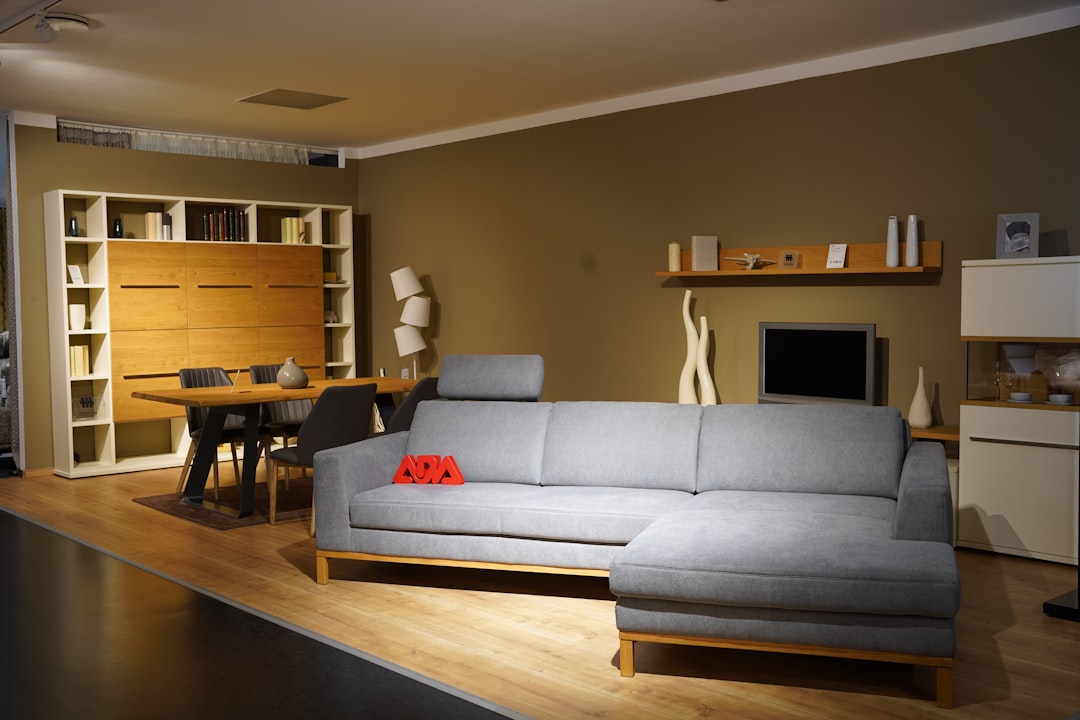
Sofa buyers in Punggol BTOs keep asking if their three-seater will fit the lift — the answer’s usually yes, but only if it’s disassembled first. Delivery crews charge $80–$120 extra for HDB lift bookings during peak hours; better to schedule before 11am or after 3pm. Teak’s 30–50% premium over rubberwood makes sense for balcony sets, but not for living room consoles that’ll get veneered anyway. Most showrooms at IMM keep teak samples next to weather-tested ones — the fading after six monsoon seasons surprises everyone. Christmas sales start earlier each year — Courts typically drops prices first week of December, while smaller shops wait until the 15th. Last-minute shoppers on Christmas Eve find floor models at 60% off, but the taupe velvet sofas are always gone by then. Warehouse clearances solve the "can’t decide between grey or beige" dilemma by offering whichever colour didn’t sell. FortyTwo’s last year-end sale had mismatched armchairs at $399 (originally $1,200), though you’d need a van to collect from their Tuas lot. Megafurniture’s
modular sectionalscome with lift-fit guarantees, but their delivery slots fill fast once the December school holidays start. One couple we spoke to camped outside their Tampines showroom at 8am just to secure a 9pm same-day delivery.
A sofa that fits perfectly in your showroom might overwhelm a 12 sqm HDB living room — and that’s before factoring in the coffee table and TV console. Always double-check dimensions against your space; a 2.1m sofa might leave just 30cm of clearance in tighter layouts, making movement awkward. Materials matter too: performance velvet resists stains better than linen, while rubberwood frames outlast cheaper plywood options. If you’re eyeing a leather sofa, full-grain will age better than bonded leather, though it’ll cost more upfront.
Warranty terms vary wildly across retailers. Castlery offers three years on frames and one on upholstery, while FortyTwo extends warranties up to five years for certain pieces. Read the fine print: some warranties cover only manufacturing defects, excluding wear and tear from daily use. During Christmas sales, prioritise retailers like IKEA and HipVan, which offer flexible return policies — essential if the piece doesn’t work in your space after delivery. IKEA’s 365-day return policy is particularly generous, though items must be in resalable condition.
Christmas sales also bring a flood of end-of-line clearance items, often discounted 50% or more. While tempting, these pieces typically come with stricter return policies — once bought, they’re yours. For BTO owners furnishing on a budget, it’s worth weighing the savings against the risk. A $1,200 sofa at 70% off might seem like a steal, but if it doesn’t fit, you’re stuck with it. Timing matters too: delivery slots fill quickly during peak seasons, so confirm lead times before committing.
Ensure there’s enough space for comfortable movement around furniture. Allow at least 3 feet of walking space between seating areas and other pieces. This prevents a cramped feel and maintains accessibility during gatherings.
Identify your room’s focal point, such as a fireplace or TV, before selecting furniture. Arrange seating to face this feature while maintaining balance. Avoid blocking views or creating awkward angles with oversized pieces.
Start by measuring the length and width of your living room. Note any architectural features like windows or doors that may affect furniture placement. Keep these dimensions handy when browsing for sofas, coffee tables, or entertainment units.
Account for extra holiday décor or temporary seating needs. Leave room for a Christmas tree or festive displays without overcrowding. Modular furniture can help adapt the space for both daily use and seasonal celebrations.