Most clearance shoppers realise too late that their bargain sofa won’t fit through the lift — or worse, the front door. In a standard 3-room BTO flat, the living room averages 12–14 sqm, leaving little margin for error when introducing oversized furniture. Start by measuring doorways, which typically require at least 80cm clearance, and don’t forget to check lift dimensions; many HDB lifts max out at 1.8m in height and 1.5m in depth.
That sleek L-shaped sectional might look perfect in the showroom, but in a compact living room, it can dominate the space, leaving no room for movement or additional storage. Opt for modular designs or armless chairs that can be rearranged easily — especially useful when hosting during festive seasons like Chinese New Year or Hari Raya.
Warehouse sales often tempt buyers with discounts up to 70%, but bulky pieces like entertainment units or recliners can quickly turn into logistical nightmares. If you’re eyeing a clearance TV console, ensure it fits not just the wall but also the space between your sofa and the screen; in many HDB flats, this distance is barely 2.5m.
A common oversight is forgetting to account for existing furniture. That $800 coffee table might seem like a steal, but if it clashes with your current layout, it’ll end up as clutter in the spare room. Measure twice, buy once — and always keep a tape measure in your bag during sale events.
Furniture clearance events: Avoiding impulse buys and staying within budget
That teak coffee table from the warehouse sale might look perfect now, but come monsoon season, you’ll notice the warping — especially if you’re in a high-humidity estate like Punggol or Jurong West. Solid wood still beats MDF for longevity here, but only if it’s properly kiln-dried; skip anything labelled “air-dried” or with visible grain irregularities, which signal uneven moisture content.
Outdoor clearance pieces often migrate indoors in HDB flats, and that’s where powder-coated metal frames prove their worth — they resist rust better than standard paint when placed near balcony doors or leak-prone windows. For fabric items, UV-treated polyester or solution-dyed acrylic hold up better than untreated cotton blends; check for fading along seams or armrests on display models.
Some retailers quietly discount last season’s outdoor collections during year-end sales, which works in your favour — these pieces are already built for Singapore’s climate. A common mistake: assuming “weather-resistant” means humidity-proof. Wicker-look PE rattan fares better than natural cane, but the aluminium frames underneath matter more; loose rivets or thin gauge metal will corrode within two years.
Bargain hunters eyeing Chinese New Year or 11.11 deals should prioritise rubberwood over pine for side tables and TV consoles — it’s less prone to fungal spotting in damp corners. That said, even the best materials fail without maintenance; a $20 moisture absorber does more for your sofa’s longevity than an extra $200 on “premium” upholstery.
Sales staff rarely mention it, but clearance stock often sat in humid warehouses for months. Run your hand along drawer undersides — if there’s any sponginess or musty smell, walk away.
Testing sofa firmness in-store is crucial for HDB buyers — what feels comfortable for five minutes might sag after an hour. Sit down, lean back, and shift positions to mimic real-life use; check if the cushions retain their shape or flatten out. Firmer foam lasts longer in Singapore’s humid climate, while softer options might need frequent fluffing. For families, consider how the sofa handles spills and stains; performance fabrics often outperform leather in high-traffic homes.
Misaligned drawers in TV consoles are a common frustration — they stick, scrape, or refuse to close properly. Open and close each drawer multiple times to test smoothness; listen for any grinding or squeaking noises. Check if the gaps between drawers are even; uneven spacing often indicates poor craftsmanship. For HDB flats, measure the console’s depth to ensure it fits snugly against the wall without blocking walkways.
Material choice directly impacts durability — rubberwood frames, for example, resist warping better than cheaper plywood alternatives. Run your hand over surfaces to check for rough edges or uneven finishes; these often signal shortcuts in production. For upholstery, look for tight stitching and reinforced seams, especially in high-stress areas like armrests. Avoid materials that feel overly thin or flimsy; they’re unlikely to withstand daily wear and tear.
Living room sets must fit HDB dimensions — a sofa that’s too deep can overwhelm a 12 sqm space, leaving little room for other furniture. Measure your flat’s layout beforehand and bring a tape measure to the showroom; don’t rely on eye estimates. Consider modular pieces that can be rearranged to suit changing needs. For smaller flats, opt for multi-functional furniture like storage ottomans or sofa beds.
Clearance events offer savings, but buyers should still compare prices across retailers — discounts of 20–50% are typical, but some pieces might still be overpriced. Check for hidden costs like delivery fees or assembly charges, which can add $100 or more to the total. For budget-conscious shoppers, end-of-line items often provide the best value, though they might have minor cosmetic flaws. Timing is key; major sales like GSS or Black Friday often yield deeper discounts.
A queen bed wedged diagonally into a master bedroom — it’s a familiar sight in older HDB flats, especially when buyers forget to account for built-in wardrobes. Many 10-year-old resale units have wardrobes with doors that swing open, leaving just 152cm of clearance; anything wider, and you’re stuck with a bed that blocks half the storage. It’s a costly oversight, particularly during clearance sales where returns aren’t an option.
Sectional sofas pose another headache. Buyers often measure their living room’s length and width but overlook the corridor turns leading to the unit. A 3-seater might fit the living area perfectly, only to get stuck at the 90-degree bend outside the door — a common feature in HDB layouts. Delivery teams frequently face this issue, especially during peak sale periods like GSS or Black Friday, when bulky items are snapped up quickly.
Even smaller pieces like console tables or sideboards can trip buyers up. In many BTO flats, the space between the TV console and sofa is tighter than expected, especially if you’re working with a 12 sqm living room. Shoppers often assume a 1.8m sofa will leave ample walking space, but that’s rarely the case once you factor in coffee tables or floor lamps.
Timing is another overlooked factor. Bargain hunters rushing to secure discounted items during warehouse sales or seasonal campaigns often skip double-checking dimensions. Yet, a $1,200 sofa bed that doesn’t fit is no bargain — it’s just clutter. In Singapore’s compact homes, every centimetre counts, and buyers who measure twice save themselves the hassle of reselling or repurposing ill-fitting furniture.
Clearance furniture at warehouse sales often comes with a catch — assembly isn’t included. While the discounts can be steep, reaching 70% off retail, buyers should budget an additional $80 to $150 for third-party handyman services. This is especially crucial during high-demand periods like 11.11 or the Great Singapore Sale, when independent contractors are busiest and prices peak.
Timing matters. If you’re picking up a sofa bed or sectional during a flash sale, factor in lead times for delivery and assembly. Many buyers end up storing their purchases in void decks or spare rooms for weeks, waiting for a handyman’s availability. It’s a logistical headache that’s easy to overlook when you’re focused on the price tag.
Some retailers offer in-house assembly, but these services are rarely discounted — and often booked solid during sale seasons. For example, IKEA’s assembly team can take up to two weeks to schedule during GSS, while smaller shops might outsource to third parties anyway. It’s worth checking reviews for local handymen on platforms like Kaodim or Sendhelper before committing to a purchase.
One common oversight is assuming clearance items are ready to use straight out of the box. Disassembled furniture, especially from warehouse sales, often arrives in bulkier packaging than standard retail pieces. That’s fine if you’ve got space in your HDB flat to store it temporarily, but a nightmare if you’re already juggling renovations or moving schedules.
The allure of a bargain can cloud judgment. While a $1,200 sectional might seem like a steal, adding $150 for assembly and another $50 for disposal of old furniture brings the total closer to retail prices. Savvy buyers plan ahead — booking handymen early, measuring doorways, and clearing space before the sale even starts.
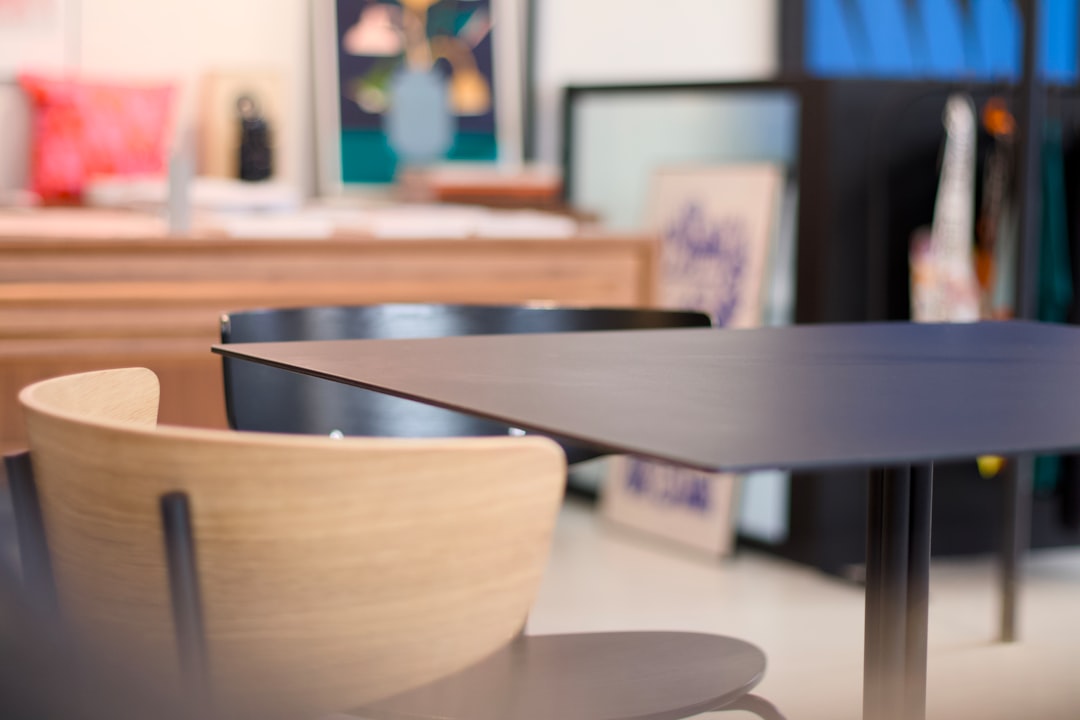
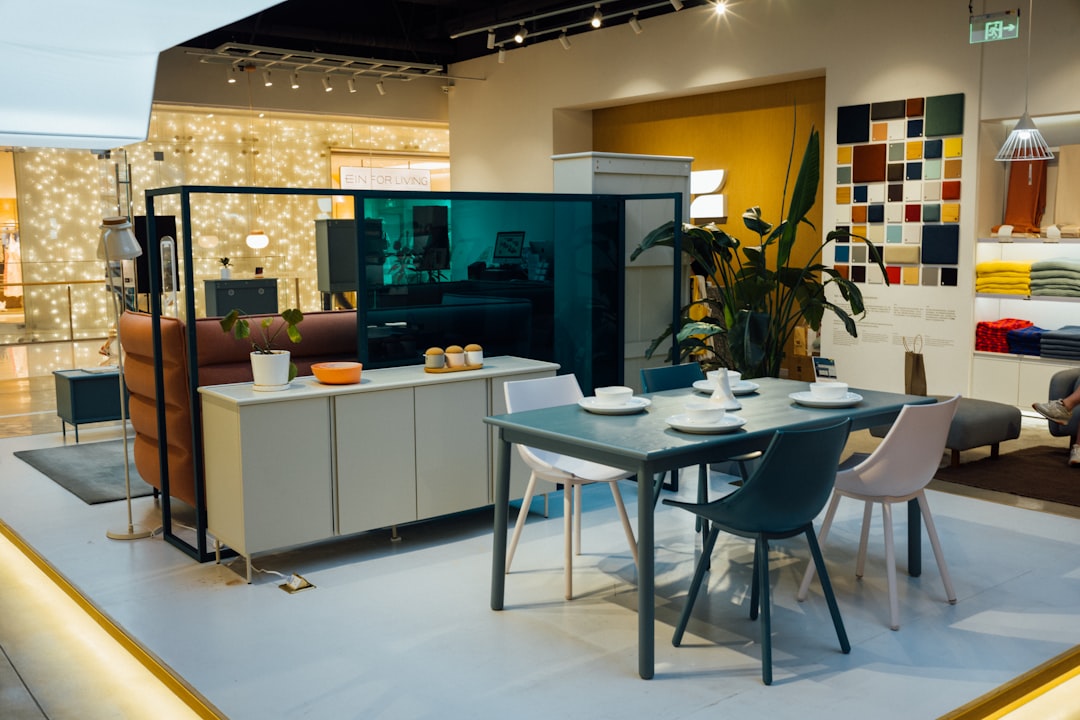
Can return clearance items? Most retailers classify clearance items as final sale — meaning returns aren’t accepted unless there’s a manufacturing defect. Always inspect the piece in-store or ask for detailed photos if buying online; scratches, dents, or mismatched finishes are common with discounted stock. Some stores, like FortyTwo, offer a 7-day exchange policy for clearance items, but it’s rare.
How to check for termites? Look for small holes in the wood, fine sawdust-like frass, or hollow-sounding panels when tapped. Inspect the underside of tables and chairs, especially around joints — termites prefer dark, undisturbed areas. If you’re buying second-hand clearance furniture, consider hiring a pest control specialist for a $150–$300 inspection.
Best months for warehouse sales? June and December dominate the warehouse sale calendar, coinciding with the Great Singapore Sale and year-end clearance events. July and August also see spikes, often timed to National Day promotions. Smaller sales pop up in March and September, but discounts rarely exceed 50%.
Delivery timelines during festive periods? Expect delays of 2–3 weeks during major holidays like Chinese New Year and Christmas. Retailers like IKEA and Courts often prioritise full-price orders over clearance items, pushing delivery dates further. If you’re furnishing for a specific event, order at least a month in advance — or risk waiting until February.
Before purchasing a TV console at clearance events, confirm it aligns with your HDB wall dimensions. Ensure it accommodates your TV size and leaves room for additional storage. Check for adjustable shelves for added versatility.
Verify the height and width of bookshelves during clearance events to match your HDB wall space. Ensure it doesn’t obstruct windows or doors while providing ample storage. Consider modular designs for flexible arrangements.
Ensure your new sofa fits perfectly in your HDB living room by measuring the available space. Consider clearance sales for compact designs tailored to Singapore flats. Double-check doorways and hallways for smooth delivery.
Select a coffee table that complements your HDB living room layout during clearance sales. Measure the area between your sofa and TV console for optimal placement. Look for space-saving designs to maximize functionality.
Floor models often come with shorter warranties than brand-new pieces — typically six months instead of the standard one to two years. Check the fine print before committing; some retailers exclude wear-and-tear on heavily used display items, which means that sagging cushions or scratched legs might not be covered.
Bring your HDB floor plan when shopping for a 3-seater sofa, especially if you’re eyeing newer BTO flats with 270cm-long feature walls. Many buyers assume their sofa will fit, only to discover it protrudes awkwardly into the walkway — a common headache in compact living rooms where every centimetre counts. Measure twice, buy once.
For clearance items, inspect thoroughly before payment. Minor dents or fabric pulls might be acceptable for the price, but structural issues like wobbly legs or uneven frames aren’t worth the hassle. Retailers rarely offer returns on discounted stock, so it’s on you to spot potential problems early.
Keep in mind that delivery timelines for clearance furniture can stretch to four weeks or more, especially during peak sale periods like Chinese New Year or Black Friday. If you’re on a tight timeline, confirm the delivery date upfront to avoid delays in moving in or hosting guests.
Finally, don’t forget to ask about assembly services — some retailers include it for free, while others charge extra. If you’re handy with tools, DIY assembly can save you $50 to $100, but double-check that you’ve got the right equipment and space to tackle the job.
" width="100%" height="480">Clearance furniture: Verifying dimensions for your Singapore HDB flat