
A Queen bed in a 12 sqm HDB master bedroom leaves just 60cm clearance on either side—enough to open wardrobe doors, but not enough for nightstands unless you’re willing to sidle past them sideways. That’s why CNY sales see so many Singaporeans swapping their King beds for space-saving storage beds with built-in drawers; the extra $200–$400 gets back nearly 1 sqm of floor space that would’ve gone to a freestanding chest.
Humidity warps particle board faster here than in showroom conditions—look for rubberwood or teak frames in wardrobes, even if they cost 30% more during sales. The IKEA PAX system gets recommended often, but its 58cm depth eats into narrow rooms; slimmer 45cm-deep options from FortyTwo or Castlery’s modular ranges work better when you need to fit a study nook beside the wardrobe.
CNY promotions tempt buyers with ‘complete bedroom sets’, but matching pieces rarely suit HDB proportions. Better to mix: a low-profile platform bed from HipVan’s clearance section, paired with a shallow Commune wardrobe from their warehouse sale. Leave 10cm gaps behind furniture for airflow—mould grows fastest where condensation pools against walls.
Sales assistants will push you toward statement headboards and mirrored closet doors. Ignore them. What looks luxurious in a Tampines showroom feels oppressive in a Bedok HDB by February, when the festive glitter fades and you’re left staring at your own reflection while hunting for socks.
Modular doesn’t mean cheap—Cellini’s configurable systems start around $1,200 during 11.11 sales, but the aluminium frames outlast three generations of particle board alternatives. Just measure your lift lobby first; nothing kills a bargain faster than realising your new wardrobe won’t fit past the corridor riser.
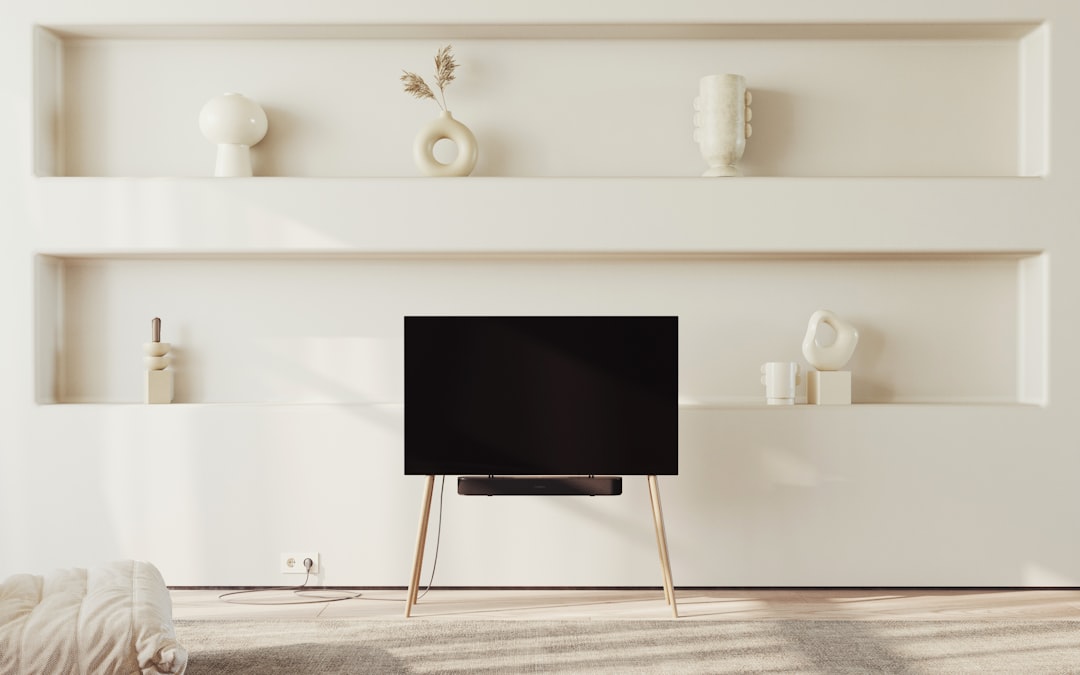
Singapore’s humidity doesn’t just frizz hair—it warps untreated furniture within months. That teak coffee table from your grandparents’ era? Still flat. The particle board TV console bought during last year’s 11.11 sale? Already buckling at the corners like a damp cardboard box.
Solid hardwoods—rubberwood, acacia, or the gold-standard teak—handle moisture best, though they’ll cost 30–50% more than engineered alternatives during sales. Treated MDF is the budget compromise; look for brands like IKEA’s moisture-resistant MALM series or Castlery’s sealed finishes. Avoid anything with raw edges—even mid-range retailers sometimes skimp on sealing the underside of shelves or drawer interiors.
The real test comes during monsoon months, when even air-conditioned flats hit 75% humidity. Laminated surfaces bubble at the seams first; veneers peel like sunburnt skin. Sales staff at Courts or FortyTwo will push “waterproof” melamine coatings, but those often crack under prolonged dampness—proper marine-grade varnishes, though rare in mass-market pieces, are the only finishes that survive balcony placements.
Bargain hunters eyeing Chinese New Year clearances should prioritise construction over style. That $799 “solid wood” dining set at a warehouse sale? Knock on the tabletop—if it echoes, it’s hollow-core with a thin wood veneer. Real teak feels like knocking on a door; it’s dense enough to shrug off Singapore’s wet season.
Moisture-resistant doesn’t mean maintenance-free. Even the best materials need quarterly waxing or silicone sprays along joints—especially for pieces near windows or in unventilated corners. The humidity spares no one.
Focus on arranging furniture to maximize comfort and usability, such as positioning seating around a central focal point like a TV or coffee table. Allow ample walking space and ensure key areas like windows or entrances remain accessible. A functional layout enhances the overall flow of the room.
Choose furniture that complements the room’s style while meeting your daily needs. Opt for pieces that offer storage or multi-purpose functionality to keep the space organized. Avoid overcrowding with decorative items to maintain a clean and harmonious look.
Before purchasing furniture, ensure you measure the dimensions of your living room, including wall lengths and ceiling height. This helps avoid overcrowding or underutilizing the space. Consider doorways and pathways to ensure furniture can be moved in easily.
Couches that look perfect in Tampines showrooms often jam HDB lift landings at awkward angles—measure doorways, stairwells, and lift dimensions before committing. Standard BTO living rooms hover around 12–16 sqm, yet buyers still order 3.5m L-shaped sofas that leave no walking space. That teak coffee table might fit the 4-room flat’s floor plan, but not the path to the balcony where you’ll need to shift it during CNY visits. Retailers like IKEA and Castlery provide downloadable room planners; use them, because returns cost $150–$300 for oversized items.
Bouclé fabric stains instantly in homes with toddlers, while full-grain leather cracks within months if placed near west-facing windows in Bedok flats. Buyers chasing CNY discounts often overlook that performance velvet—stain-resistant but prone to pilling—lasts half as long as woven polyester in high-traffic areas. Those sintered stone TV consoles? They’ll survive drinks spills but chip during moves when edges knock against HDB corridor railings. Always check cleaning codes on fabric tags before buying; “WS” means water spotting, which rules out homes with humidifiers.
That $799 sofa from FortyTwo’s warehouse sale becomes $1,200 after adding assembly ($80), old furniture disposal ($120), and staircase surcharges for walk-ups ($200). CNY promotions often exclude delivery to Eunos or Aljunied MRT-adjacent blocks—check fine print for postal code exclusions before queueing at 7am. Extended warranties seem unnecessary until the recliner mechanism fails post-12-month guarantee, leaving a $400 repair bill. Pro tip: Retailers like Courts charge 3–5% extra for credit card instalments during sales.
Instagram-friendly rattan chairs collect dust in HDB corridors where humidity warps them within a season, while marble-look laminate peels under Singapore’s afternoon sun. The mid-century console that looks chic in IKEA’s Alexandra showroom overwhelms most 3-room flat entryways, becoming a shin-bashing hazard. Sales staff push “hot” items like motorised sofa beds—which 80% of buyers use twice yearly—instead of practical storage ottomans. Rubberwood dining sets stain if wiped with wet cloths, despite being marketed as “low-maintenance”.
Five-year warranties often cover only frame cracks, not the sagging seat cushions that appear by year two in households with teenagers. That “lifetime guarantee” on Cellini’s leather sectionals? It voids if you use any conditioner except their $48 proprietary blend. Water damage clauses exclude aircon condensation—a death sentence for Muji-style plywood consoles placed under wall units. Always photograph assembly; missing screws or scratched panels must be reported within 72 hours for claims.

In Singapore’s HDB flats, where every square metre counts, finding furniture that fits — and doesn’t overcrowd — is half the battle. Megafurniture’s modular sets are designed with this in mind, offering configurations that adapt to layouts as tight as 12 sqm living rooms. Their showrooms in Tampines and Joo Seng take it a step further, featuring real-room mockups where buyers can test how a sofa or coffee table will look and feel in their own space.
What sets them apart is their focus on tailored solutions. Unlike generic designs that might work in theory but fail in practice, Megafurniture’s pieces are scaled for compact spaces. A sectional sofa, for instance, can be reconfigured to fit an awkward corner or split into smaller units for a studio apartment. It’s this flexibility that makes their range a favourite among BTO owners and those refreshing older flats.
During Chinese New Year sales, discounts can reach up to 50%, making it a prime time to invest in quality pieces without overspending. Their modular sets, typically priced between $1,200 and $2,400, balance affordability with durability — a rare combination in many HDB-ready collections. While warehouse clearance events might offer steeper discounts, Megafurniture’s focus on tailored designs means buyers rarely compromise on fit or function.
For those unsure where to start, their showrooms are worth a visit. The mockups aren’t just for aesthetics; they’re practical tools for visualising how furniture will function in real-life scenarios. Whether it’s a storage ottoman that doubles as a seat or a TV console with built-in shelving, their designs solve common HDB dilemmas without sacrificing style.
The week before CNY, delivery slots vanish faster than pineapple tarts at a reunion dinner. Retailers like Castlery and FortyTwo typically extend lead times to 6–8 weeks during peak periods—order a sofa in early January, and you might be sitting on floor cushions until March. Those eyeing year-end sales should note: warehouses clear stock fast, but logistics firms prioritise commercial clients first; that $1,899 teak TV console won’t magically appear before your open house.
Assembly costs hide in plain sight. IKEA bundles it into pricing, while Commune and Cellini add 8–12% of the item’s value—a $3,200 bookshelf could sting with an extra $384 setup fee. Bargain hunters often overlook this until checkout; one Tampines couple last February reported paying $600 more than budgeted for their L-shaped sectional. Humidity warranties matter just as much—Singapore’s 80% RH average warps cheaper particleboard within months, yet only half of local retailers explicitly cover moisture damage.
Third-party delivery teams often lack the finesse for HDB lift lobbies. A common sight in Bedok blocks: scratched stairwell walls from couriers wrestling 2.4m sofa frames up tight landings. Some stores charge $50–$120 for "HDB premium delivery", essentially a fee for not leaving your purchase at the void deck. Pro tip: measure your lift’s diagonal clearance first—standard HDB lifts fit 2.1m items at best, forcing awkward disassembly that voids certain warranties.
Warranty fine print reveals quirks. That "10-year frame guarantee" from mid-range retailers usually excludes fabric pilling and foam sagging, focusing solely on structural integrity. Meanwhile, humidity clauses get slippery—one Joo Seng shopper found her mouldy rattan chair wasn’t covered because the policy specified "excessive moisture" rather than typical tropical conditions.
What’s the best sofa material for pets? Performance velvet tops the list — it’s scratch-resistant, easy to clean, and doesn’t trap pet hair like bouclé or linen. Leather works too, but avoid full-grain; it’s prone to claw marks.
How long does delivery take during CNY? Most retailers quote 4–6 weeks, but delays aren’t uncommon. Orders placed in early January often arrive before the holiday, while late January purchases risk pushing into March.
Can I return furniture if it doesn’t fit? Policies vary. Castlery and FortyTwo allow returns within 7 days, but you’ll cover the delivery fee. IKEA’s 365-day policy is generous, but bulky items like sofas often require disassembly before they’ll take them back.
Do warranties cover humidity damage? Rarely. Most warranties exclude warping or mould caused by Singapore’s humidity, especially in non-air-conditioned spaces. Opt for teak or rubberwood over MDF if your living room isn’t climate-controlled.
Buyers often overlook these details until they’re stuck with a sofa that’s too big, a warranty that doesn’t cover humidity, or a CNY delivery that arrives weeks late. Checking these FAQs beforehand saves headaches — and money.
The tape measure is the most underrated tool in furniture shopping — yet half the buyers at Eunos’ Courts showroom last weekend were eyeballing dimensions while sales staff discreetly reached for theirs. Start with the room’s hard limits: a typical 4-room BTO living area spans 16–18 sqm, but bay windows and structural beams can steal 0.5–1 sqm of usable space. Note power point locations too; that sleek media console won’t help if its cords stretch across walkways, and Singapore’s humid air turns cable clutter into dust magnets within months.
Set a hard ceiling before stepping into IKEA Tampines or FortyTwo’s Alexandra showroom — say $3,800 for a three-seater, coffee table, and TV console — then slash 20% off as your true target. Chinese New Year sales might hit 40% discounts on last season’s stock, but humidity-warped particle board isn’t a bargain at any price. Look for rubberwood frames over acacia (less prone to cracking) and performance fabrics that don’t trap sweat stains; bouclé might dominate Instagram reels, but it’s a nightmare during February’s 90% humidity spikes.
Prioritise pieces that solve actual problems. That extendable dining table makes sense if you host weekly steamboat dinners — otherwise, it’s just dead space in a 12 sqm HDB dining nook. Storage trumps aesthetics when choosing consoles; shallow drawers fit remotes and chargers, while open shelves become dust catchers. And test every mechanism: lift-up coffee tables should glide smoothly even after you’ve overloaded them with CNY visiting snacks.
Showrooms deliberately place trendy items near entrances — walk past the emerald velvet sofas to the practical section at the back. Sales staff know Singaporeans replace living room sets every 5–7 years; they’ll steer you toward cheaper, trend-driven pieces unless you’ve measured your space and listed non-negotiables. Come with phone photos of your room’s awkward corners and power points; what looks proportionate in Castlery’s sprawling showroom might dwarf your Ang Mo Kio flat.