
A 4m living room wall looks spacious until you try squeezing in a three-seater sofa, TV console, and coffee table — suddenly, there’s barely room to walk around the dining set. HDB layouts punish guesswork; that 12 sqm master bedroom won’t fit both a queen bed and wardrobe unless you’re willing to sidle past them sideways.
Measure twice, buy once. Most showroom displays — like those at IKEA Alexandra or FortyTwo’s showflat — use room mockups scaled to HDB dimensions, but their spacious lighting tricks the eye. Better to tape newspaper cutouts on your floor marking sofa footprints, or use augmented reality apps from Castlery and HipVan that overlay 3D models in your actual space.
Modular sofas tempt with flexibility, but their connectors eat up precious centimetres in narrow walkways. Slim-profile designs from Commune or Cellini often work better, with depths under 85cm leaving breathing room. For TV consoles, anything deeper than 45cm starts swallowing remotes and creating shadowy dead zones behind — go for wall-mounted units or those with floating legs to preserve the illusion of space.
Bargain hunters eyeing GSS sales should note this: a 70%-off sectional sofa is no deal if it blocks your balcony door. Retailers like Courts and Harvey Norman often stock clearance pieces suited for landed properties, their bulk impractical for HDBs. The real steals are apartment-scaled pieces mistakenly ordered in wrong colours — last year’s taupe performance velvet loveseat nobody wanted.
Storage beds beat divan beds in most HDB flats, simply because nobody has anywhere else to put their luggage. But even those need scrutiny; drawers that require 50cm clearance to open fully are useless when your bed’s wedged against a built-in wardrobe. Measure the swing radius, not just the footprint.
That teak coffee table you bought last year? If it wasn’t properly treated, it’s probably developed a slight warp by now — Singapore’s 80% humidity does that to untreated wood within months. Bargain hunters eyeing pine bookshelves during GSS should reconsider; the same $399 piece in treated hardwood might cost $50 more upfront but won’t need replacing when the shelves start bowing next monsoon season.
Leather sofas tempt with their premium look, but they’re high-maintenance in our climate — weekly conditioning to prevent cracking, plus they stick to bare legs in July heat. Performance fabrics from brands like Castlery or Commune handle spills better and don’t trap moisture; their stain-resistant treatments actually work against kopi stains during Chinese New Year visits. Wicker’s worse outdoors — those charming rattan chairs at warehouse sales? Unless specifically treated for tropical weather, they’ll become termite buffets within a year in ground-floor HDB patios.
Metal frames outlast most alternatives here. Anodised aluminium dining sets from FortyTwo survive decades in humid kitchens, while powder-coated steel bed frames resist the mould that eats untreated wood in 12 sqm bedrooms. That’s why older estates like Bedok and Tampines still have 1980s metal-framed sofas doing duty in multi-gen homes — they simply don’t die.
Rubberwood’s the sweet spot for budget buyers: naturally resistant to swelling, often discounted to $799 for full living sets during 11.11 sales. Just check for proper kiln-drying certificates — some cheaper imports claim treatment but warp within weeks of arriving in our wet season.
Budget sofas from warehouse sales often cut corners with stitching — loose threads start appearing after just six months. In humid Singapore, low-quality polyester thread rots faster, leading to seams splitting along cushions. A $1,200 sofa with double-stitched seams lasts five years; a $600 version needs replacing in 18 months. Always check stitching density — fewer than six stitches per inch means trouble.
Compact particleboard furniture rarely handles more than 80kg, yet many families overload them. That $299 TV console collapses when stacked with gaming consoles, books, and decor. Look for reinforced corners and steel-braced legs — they add $50–$100 but extend lifespan by years. For households with kids, solid wood or metal frames are worth the extra cost.
High-gloss coffee tables scratch easily in HDB flats — one misplaced phone leaves a permanent mark. Matte finishes hide minor imperfections better, especially in high-traffic areas like living rooms. Scratch-resistant laminate costs 15% more upfront but saves on refinishing costs later. For families with pets or young children, matte is the practical choice.
Many buyers skip warranty checks, assuming "one year" covers everything — it rarely includes accidental damage or wear-and-tear. Read the fine print: a "five-year warranty" might only cover structural frames, not cushions or mechanisms. Extended warranties add 10–20% to the price but can pay off for high-use items like recliners.
Buyers often overlook how furniture fits their actual space — a bulky sectional blocks walkways in compact HDB flats. Measure doorways and lift dimensions before buying; delivery fees add $50–$150 if items don't fit. Modular designs adapt better to changing needs — you can reconfigure them when moving or redecorating.
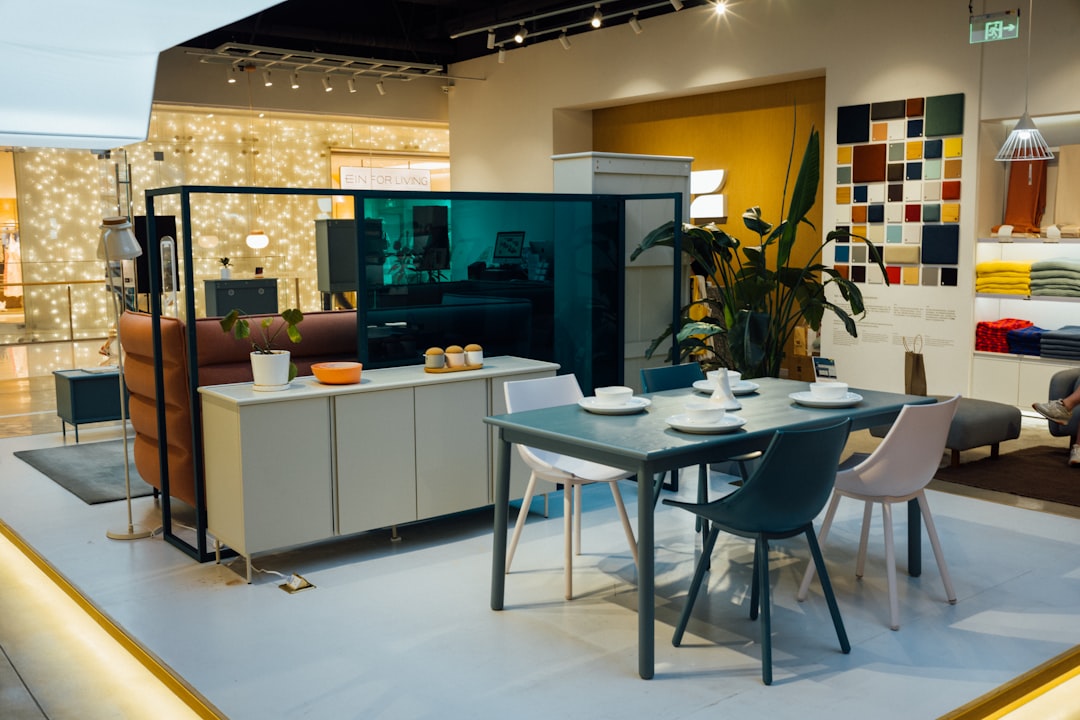
Most furniture showrooms keep their sofas pristine behind velvet ropes—Megafurniture’s Joo Seng and Tampines spaces encourage buyers to test frames by pressing knees into seatbacks, rocking side-to-side on dining chairs, or running keys across scratch-resistant sintered stone tabletops. It’s a subtle shift that matters: when a $1,899 sectional’s reinforced hardwood frame doesn’t creak after three adults pile onto it, durability stops being a brochure claim. Their delivery teams carry HDB lift dimension charts—not just for the main door, but for tight stairwell turns in older estates like Queenstown or Toa Payoh. Assembly crews typically slot a 3-seater through a 1.8m corridor in under 12 minutes; watch them dismantle and rebuild a storage bed twice to prove no tools are needed for future moves. That precision saves buyers from the classic Singaporean move-in headache: realising a wardrobe won’t clear the service yard ledge. During GSS, their clearance corner often stocks floor models—slight scuffs on rubberwood legs, a performance velvet armchair with one less cushion than retail—at 50–60% off. Bargain hunters eyeing sub-$800 sofa beds should check back on National Day weekend, when last year’s Somnuz® display units cycled out. The real differentiator? Their teams won’t upsell you a 2.4m L-shaped sofa for a 12 sqm living room. One Tampines staffer famously talked a couple out of buying their teak dining set—"Your flat’s west-facing; the sun’ll warp the joints by year three." That honesty sticks when you’re comparing
Megafurniture’s collectionagainst glossy showrooms where everything "fits perfectly." Rain or shine, their weekday midday slots stay open for BTO owners—the only time new parents or shift workers can sneak away. Try finding that flexibility at a warehouse sale.
GSS Furniture Assembly: Avoiding Common DIY Installation Errors (Pitfalls)
HDB lifts are notorious for tight corners and narrow doors — a sofa wrapped in protective plastic might make it through unscathed, but one without risks scratches or dents. Delivery timelines often stretch during peak periods like GSS or year-end sales, so double-check estimated arrival dates against your BTO move-in schedule. Retailers like Castlery and FortyTwo typically offer lead times of 6–8 weeks, though delays aren’t uncommon during high-demand seasons.
Warranty coverage varies widely, and termite damage is often excluded unless explicitly stated. Look for policies that cover structural integrity for at least 5 years, especially if you’re buying solid wood or rubberwood pieces. Some retailers bundle extended warranties during promotions, but these usually focus on mechanical parts like sofa bed mechanisms or reclining chairs.
Assembly services are a lifesaver in HDB flats, where uneven floors can make even the sturdiest furniture wobble. Adjustable legs are a must for dining tables or TV consoles — they’re often overlooked but make a world of difference in older estates like Bedok or Tampines. Protective wrapping isn’t just for the journey; it’s crucial for navigating tight stairwells or narrow corridors in neighbourhoods like Eunos or Aljunied.
Retailers like IKEA and Commune often include basic assembly in their delivery fees, but specialised services like levelling or anchoring cost extra. It’s worth the investment for larger pieces like modular sofas or storage beds, especially if you’re furnishing a compact 12 sqm bedroom. Protective wrapping might seem like an upsell, but it’s cheaper than repairing a gouged armrest or scratched coffee table.

Can particleboard withstand humidity? In Singapore’s climate, particleboard tends to warp or swell when exposed to high humidity — it’s why many buyers opt for solid wood or moisture-resistant MDF for furniture in non-air-conditioned spaces. For kitchens or balconies, laminates or melamine finishes can help, but they’re not foolproof against prolonged dampness.
How long do leather sofas last in SG? Full-grain leather sofas typically last 10–15 years with proper care, though bonded leather might start peeling within 3–5 years. In Singapore’s humidity, leather requires regular conditioning to prevent cracking; avoid placing it near windows where direct sunlight can accelerate wear.
What’s better for pets — microfiber or polyester? Microfiber’s tighter weave makes it more resistant to scratches and easier to clean, though polyester’s stain-resistant treatments can handle spills better. Both materials are durable, but microfiber’s softer texture tends to attract less pet hair — a practical choice for homes with shedding cats or dogs.
Does modular furniture maintain stability over time? Modular furniture’s stability depends on the joints and materials — metal connectors and solid wood frames generally hold up better than plastic clips or particleboard. Over time, repeated disassembly can loosen connections; it’s worth checking the locking mechanisms annually, especially in homes with active kids or frequent rearrangements.
Assess the sturdiness of the furniture frame, particularly in sofas and chairs. Look for reinforced corners and solid support structures. Well-built frames resist sagging and maintain shape over years of use.
Confirm the furniture’s weight capacity to ensure it can handle typical household demands. Test larger pieces like sectionals or entertainment units for stability under load. This helps avoid premature wear or damage.
Evaluate furniture durability by examining the quality of materials used, such as hardwood versus particleboard. Focus on joints and fasteners to ensure long-term stability. Consider how materials withstand daily wear and tear in high-traffic areas like living rooms.
Most HDB flats in Singapore have master bedrooms around 12 sqm — which means buyers often underestimate how much space a queen bed or wardrobe will take up. Before committing, measure twice: check the furniture dimensions against your room’s layout, factoring in door swings and clearance for drawers. It’s not just about fitting the piece in; it’s about living comfortably around it.
Singapore’s humidity can wreak havoc on furniture, especially cheaper materials like particleboard or untreated wood. Don’t just skim the warranty; confirm it explicitly covers humidity-related damage like warping or mould. Showrooms often gloss over this, but it’s a common issue in homes near the coast or with poor ventilation.
Testing sofa firmness in-store is non-negotiable — what feels fine in the showroom might sag after a month of daily use. Sit on it properly, not just perch on the edge. If you’re buying online, look for reviews that mention long-term comfort, not just initial impressions. Delivery is another headache, especially in older HDB blocks with tight lifts or narrow corridors. Compare options carefully: some retailers charge extra for staircase delivery or refuse outright if the furniture won’t fit. Assembly is often overlooked, but it’s crucial for uneven floors common in older flats. Ensure the team includes levelling feet or shims to prevent wobbling — it’s a small detail that makes a big difference in daily use.