A standard HDB living room fits a three-seater sofa, coffee table, and TV console—just. At 12–16 sqm, these spaces punish miscalculations; that extra 15cm on an L-shaped sectional might block the balcony door entirely. Most BTO buyers measure twice before committing to furniture—especially during sales, when the pressure to grab a deal can override spatial logic.
Space-saving designs dominate living room purchases for good reason. Sofas with under-seat storage hide spare bedding, extendable coffee tables double as impromptu dining surfaces when relatives visit, and foldable dining sets disappear against walls. The real test comes during festive seasons—when that sleek nesting side table you bought at 40% off suddenly needs to accommodate six extra serving dishes.
Retailers know compact layouts drive demand for modular solutions. IKEA’s annual warehouse sale sees the heaviest discounts on BESTÅ storage systems and KIVIK sofa beds—pieces designed for HDB proportions. During Chinese New Year promotions, stores like FortyTwo push convertible dining sets hard; their rubberwood foldables sell out fastest in Eunos and Bedok, where older flats have tighter floor plans.
There’s a quiet rebellion against minimalism, though. Some younger homeowners in Punggol BTOs are opting for bold, oversized armchairs anyway—sacrificing walkway space for personality. They’ll regret it by year three, when the novelty wears off and that statement chair just becomes another obstacle for the robot vacuum.
Warehouse sales tempt with 70% discounts on bulkier pieces, but fitting a 2.4m entertainment unit into a 3m wall leaves no room for error. The smartest buyers bring floor plans to showrooms—and check return policies twice before swiping their cards during 11.11 flash deals.

Singapore’s humidity doesn’t just frizz hair—it warps furniture. In living rooms across HDB flats, untreated wood starts to buckle within months, leaving buyers scrambling for replacements during the next sale season. Teak, with its natural oils, resists moisture better than most materials; engineered wood, layered and treated, holds its shape even in 80% humidity. Both are staples in local showrooms for a reason—they survive the climate without constant upkeep.
Leather, though sleek, demands attention in Singapore’s damp air. Without regular conditioning, it cracks and fades, turning a $2,000 sofa into a $200 salvage project. Performance fabrics or synthetic leathers are often smarter choices for buyers who don’t want to spend weekends polishing furniture. That said, full-grain leather with a warranty-backed finish can last decades—if you’re willing to put in the work.
MDF and veneer, though budget-friendly, are humidity’s worst enemies. MDF swells irreversibly, while veneer peels like sunburnt skin after a few rainy seasons. Even in air-conditioned homes, these materials struggle to hold up. For buyers eyeing clearance deals, it’s worth checking the warranty—many retailers offer moisture-resistant guarantees on teak or engineered pieces, but rarely on untreated wood or MDF.
The best deals aren’t always the cheapest upfront. A $1,200 teak coffee table might outlast three $400 MDF ones—and save you the hassle of replacing it every Deepavali sale.
Freight fees often catch buyers off guard, especially for bulky living room furniture like sofas or entertainment units. Retailers typically quote prices without delivery, leaving shoppers to discover an extra $150–$300 charge at checkout. Some stores waive fees for orders above $2,000, but smaller purchases — a coffee table or sideboard — rarely qualify. Always confirm whether delivery is included or if stair charges apply, particularly for HDB flats above the ground floor.
Package deals may advertise "ready-to-assemble" furniture, but that doesn’t mean assembly is free. Many retailers charge $50–$150 per item for professional installation, especially for complex pieces like modular sofas or wall-mounted TV consoles. Buyers often assume DIY assembly is straightforward, only to realise they lack the tools or skills to complete it. For time-pressed homeowners, paying for assembly can be worth avoiding the hassle of mismatched screws or crooked shelves.
Standard warranties on living room furniture typically cover manufacturing defects for one to two years, but retailers often push extended warranties at checkout. These can add $100–$500 to the total cost, depending on the item and coverage period. While extended warranties might offer peace of mind, they’re rarely worth it for furniture unlikely to fail after the initial period. Always check what’s covered under the standard warranty before considering an upgrade.
Delivery during peak periods — Chinese New Year, Hari Raya, or year-end sales — often incurs additional surcharges. Retailers justify these fees by citing higher demand and limited delivery slots, but they can inflate costs by $50–$100. Buyers planning to furnish during these periods should book early to secure standard rates, or opt for self-collection if feasible. Waiting until the last minute almost guarantees higher delivery fees.
Package deals often discourage returns by imposing strict conditions or hefty fees. Some retailers charge $200–$400 for return pickups, particularly for large items like sectionals or dining sets. Others require buyers to disassemble and repack items themselves, which can be impractical for heavy furniture. Before committing, confirm the return policy and factor in potential costs if the furniture doesn’t fit or match expectations.
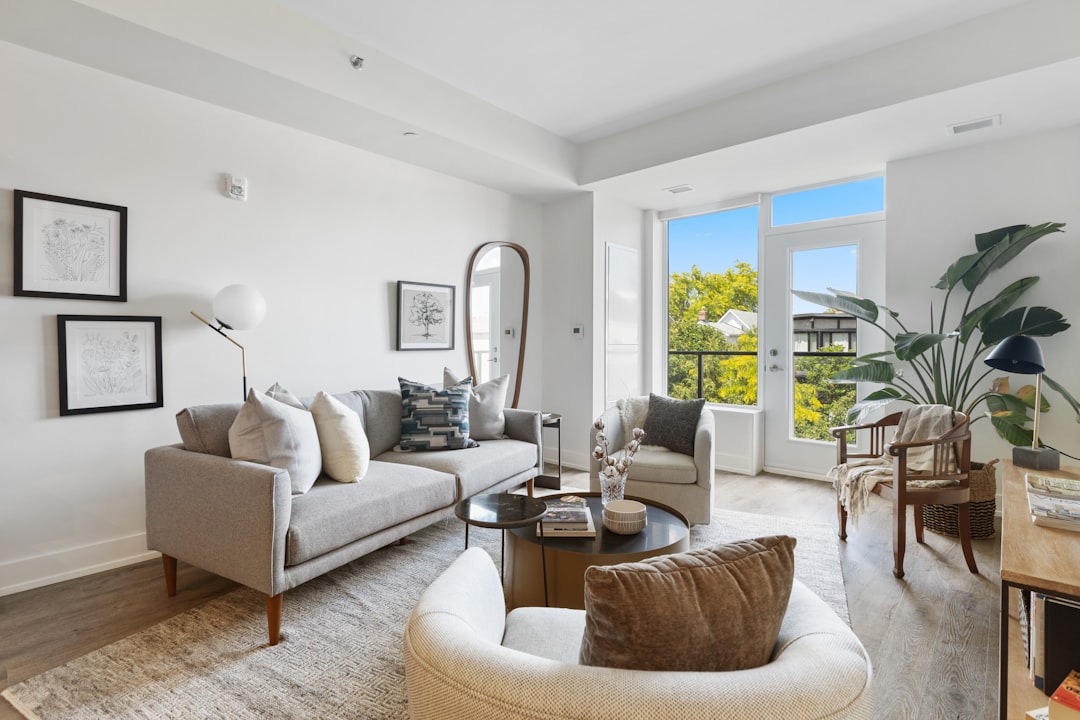
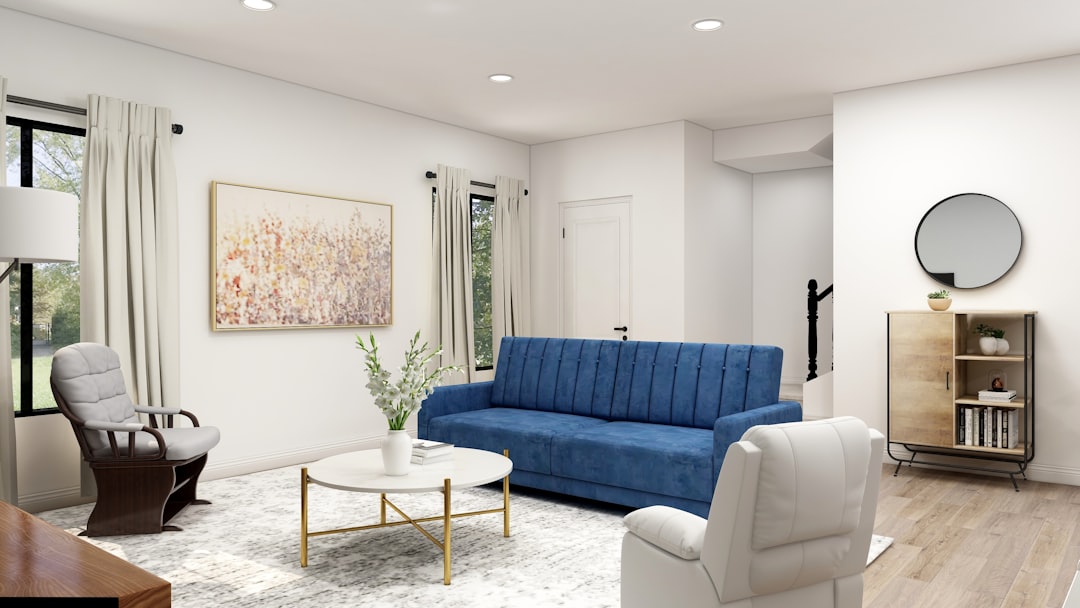
Walking into Megafurniture’s Joo Seng showroom, you’ll immediately notice how their living room sets are arranged in 3.6m x 3.6m mock-ups — the exact dimensions of a typical HDB BTO living area. That taupe fabric sofa you’ve been eyeing online? It’s flanked by a 1.8m TV console and two side tables, proving how much floor space remains when furniture is scaled right. Their Tampines outlet takes it further with full mock bedrooms; you can test whether that storage bed actually fits your walkway after accounting for the ceiling fan’s swing radius.
Comfort tests reveal what product photos hide. Sit on that ‘firm’ sofa for ten minutes and you’ll feel the lumbar support fading — or discover the armrests are just low enough to cradle your coffee cup while binge-watching. Run your hand along the ‘scratch-resistant’ veneer; some buyers notice the grain pattern repeats every 1.2m, a telltale sign of engineered wood. Bring your own measuring tape too — one couple realised their dream 2.4m L-shaped sofa would block the bomb shelter door only after seeing it in situ.
Material swatches matter more than you’d think. That ‘cloud grey’ fabric looks stark white under HDB corridor lighting, while the ‘espresso brown’ leather darkens to near-black in north-facing flats. Staff will usually let you take small samples home; tape them to your walls for three days to see how they handle morning humidity and evening downlighters.
Timing your visit helps. Weekday mornings are dead — you can rearrange entire sectionals without embarrassment — while Saturday afternoons mimic real-world chaos (toddlers jumping on display beds, uncles hogging the massage chairs). Avoid going post-lunch unless you want to test nap-worthiness; the Somnuz mattresses near the Tampines cashier have indents from generations of tryout snoozes.
Some finds only happen in-person. Check the clearance corner for floor models with barely visible defects — a scuffed leg that’ll face the wall anyway, or a slightly off-centre stitch line on the back cushion. Last year’s bestseller might be there at 40% off because they’re making space for new arrivals. Bring your floor plan, but leave the measuring to their laser tools; one buyer swore her corridor was 90cm wide until the digital readout showed 82cm.
Smart Singaporean buyers know the best deals vanish faster than a plate of chicken rice at lunch hour. GSS marks the sweet spot for living room sets—retailers slash prices 30–50% on display pieces to make space for new collections. But the real steals come during 11.11 or year-end clearance, when overstocked sectional sofas get discounted up to 70% at IMM’s FortyTwo or Megafurniture’s Joo Seng warehouse. BTO couples should circle three dates: GSS launch weekend (usually last Friday of May), 11.11 midnight flash sales, and Chinese New Year eve when shops dump unsold inventory. Last year’s model of that modular L-shaped sofa from Castlery dropped to $1,199 during Black Friday—half its original price—but only six units were available islandwide. Warehouse sales at TradeHub21 offer deeper cuts (we’re talking $899 for genuine leather recliners), though you’ll be wrestling with five other bargain hunters for the last taupe-colored unit. Timing matters more than you’d think. Retailers rotate promotions—Sembawang’s Courts might discount TV consoles during National Day while Tampines’ IKEA focuses on coffee tables. Sign up for SMS alerts; HipVan’s 7pm same-day delivery slots disappear within minutes during peak sales. And always check display pieces for scratches—that $2,499 velvet sofa at 60% off won’t feel like a steal when you notice the frayed piping under fluorescent lights. Some hacks: Book delivery slots before buying during mega-sales (try getting a lorry during Deepavali week). Negotiate free assembly if purchasing floor models—most retailers will throw it in rather than lose a sale. And never assume online prices beat showrooms; we spotted the same
Somnuz mattress bundle$200 cheaper in-store than on their website during last year’s GSS.
Delivery timelines can catch buyers off guard — especially during peak sale periods like GSS or year-end promotions. Many retailers impose 6–8 week waits, particularly for customised or imported pieces. That’s fine if you’re furnishing a BTO flat months ahead, but less ideal for those upgrading mid-cycle. Always confirm lead times before committing; some stores like IKEA and Castlery offer faster turnaround for in-stock items, often within 1–2 weeks.
Assembly services, while convenient, often add $50–$200 to the final bill. For simpler items like coffee tables or sideboards, DIY assembly saves costs but requires tools and patience — think Allen keys, screwdrivers, and the occasional YouTube tutorial. Larger pieces, like modular sofas or TV consoles, might test your skills and living room space; many buyers opt for professional help to avoid the frustration of mismatched parts or uneven finishes.
Delivery fees vary widely too. Some retailers include them in package deals, while others charge by distance or item weight. Expect $30–$100 for standard deliveries within Singapore, though bulky items or locations like Jurong or Punggol might push costs higher. Always check if the store offers free delivery thresholds; spending $1,500 or more at FortyTwo or Commune often waives the fee, making it worth bundling purchases.
Timing matters as much as cost. Weekday deliveries are cheaper and less crowded, but weekend slots fill up fast — especially during sale seasons. If you’re coordinating multiple deliveries, plan ahead to avoid cluttering your space with half-assembled furniture. And remember, some retailers won’t haul away old pieces unless you’ve arranged it beforehand.
Does package include delivery? Most living room furniture deals cover basic delivery within Singapore, but it’s worth checking if bulky items like L-shaped sofas or entertainment units incur extra charges — especially for walk-up apartments or HDB flats above the fifth floor. Some retailers offer free delivery only during major sale events like GSS or Black Friday, so timing matters.
Can items be exchanged? Policies vary widely. Stores like IKEA and Castlery typically allow exchanges within 14 to 30 days, provided items are unassembled and in original packaging. Smaller retailers might charge restocking fees or limit exchanges to defective pieces, so read the fine print before committing.
How long is warranty? Warranties for living room furniture usually range from one to five years, with upholstered items like sofas often covered for shorter periods. Be cautious with discounted clearance items — some retailers reduce warranty coverage for end-of-line stock. Always ask for warranty terms in writing.
Are discounts stackable? Rarely. Most promotions exclude clearance items or already-discounted packages. During major sales like 11.11 or Chinese New Year, retailers might offer additional perks like free cushions or storage boxes, but stacking discounts is uncommon. Bargain hunters should focus on timing their purchase to coincide with the deepest cuts.
Many living room furniture package deals exclude delivery or assembly costs in the advertised price. These fees can add hundreds to your total, especially for large items like sectionals. Always check the fine print or ask the retailer for a full cost breakdown before purchasing.
Sales staff may push add-ons like fabric protection or wood sealants after you commit to a package deal. These services often carry high markups and aren’t always necessary. Politely decline or research third-party options for better pricing.
Some retailers impose steep restocking fees (up to 25%) if you return part of a furniture package. This is common with "bundled discount" offers where items are labeled as non-refundable. Clarify return policies to avoid unexpected deductions from your refund.
A 3-seater sofa that fits perfectly in the showroom might crowd a 12 sqm HDB living room once you account for side tables and walking space — that’s why buyers tape out dimensions on their floors before committing. Most regretful purchases happen when measurements get eyeballed, especially during sale frenzy when discounts cloud judgment.
Moisture resistance matters more than buyers think. Singapore’s humidity warps untreated rubberwood within months, while performance velvet outlasts standard polyester in homes with kids or pets. Check for treated hardwoods, powder-coated metal legs, or marine-grade fabrics if your flat faces afternoon sun or sits near a wet kitchen.
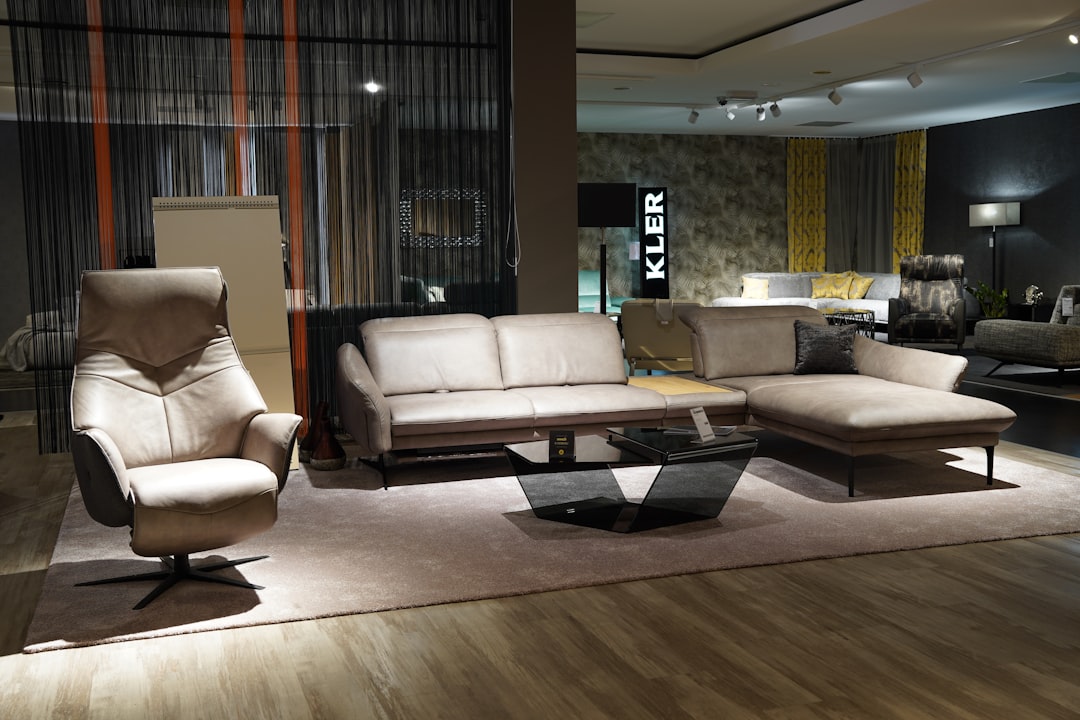
Showroom visits reveal what online listings hide: stitching flaws, unstable legs, or foam density that doesn’t match the description. FortyTwo’s Tampines outlet lets you test weight limits on storage ottomans, while Castlery’s Eunos space arranges full living room sets to visualise spacing. Allocate time to press seams, open drawers, and sit for 10 minutes — if a dining chair feels stiff in the showroom, it’ll be unbearable by the third course of steamboat.
Package deals often exclude delivery fees for walk-up apartments or charges for dismantling old furniture. A $1,999 sofa set might cost $2,300 after add-ons; always request a breakdown with GST before swiping your card. Some retailers waive fees during major sales, but only if you ask.
Bargain hunters forget that clearance items rarely qualify for returns. That slightly scuffed leg won’t bother you until it’s the only thing you see during Netflix binges.