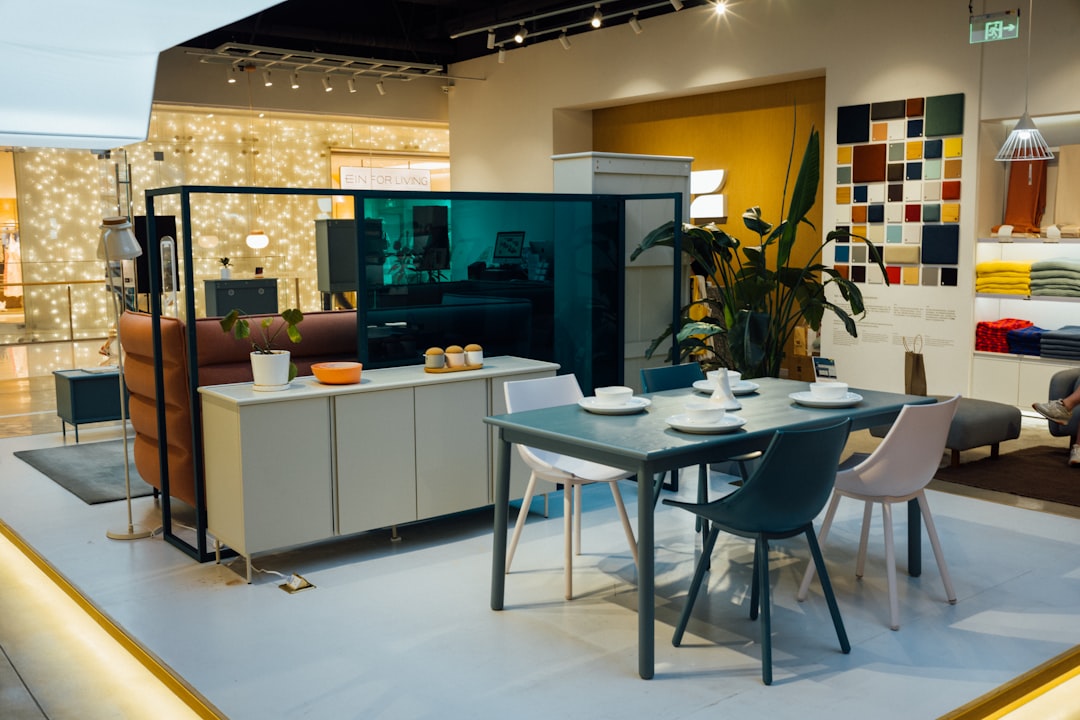
The 12 sqm HDB master bedroom forces compromises — that sleek platform bed with undercarriage storage suddenly makes sense when you realise there’s nowhere else for winter coats or CNY decorations. BTO buyers eyeing clearance events often prioritise multi-function pieces; a $799 sofa bed from FortyTwo’s year-end sale might seem tempting, but in practice, most fold-outs get used twice before the mechanism jams from disuse.
Condos trade space constraints for different headaches. That $2,400 marble-top dining set from a Black Friday promo? It’ll dominate 80% of a typical 5m x 4m dining area, leaving no room for the buffet cabinet your mother insists you need. Condo dwellers hunting clearance deals frequently regret not measuring door frames first — landed homes might have grand staircases, but condo lifts won’t accommodate that 2.1m L-shaped sofa from Castlery’s warehouse sale.
Landed homeowners face the opposite problem. A $1,200 console table might get lost in a double-volume foyer, while the same piece would overwhelm an HDB corridor. Formal living areas demand bulkier, structured furniture — IKEA’s seasonal discounts rarely cover the solid teak coffee tables that anchor these spaces.
Storage solutions reveal the sharpest divide. HDB buyers pounce on ottomans with hidden compartments; landed property owners dismiss them as unnecessary when there’s an entire store room upstairs. The same National Day sale promo email means entirely different things depending on your postal code’s first digit.
Timing matters too. BTO couples coordinate furniture purchases with key collection dates, often waiting for 11.11 or GSS sales. Landed homeowners? They’re the ones quietly buying ex-display Cellini armchairs in February when nobody’s looking.
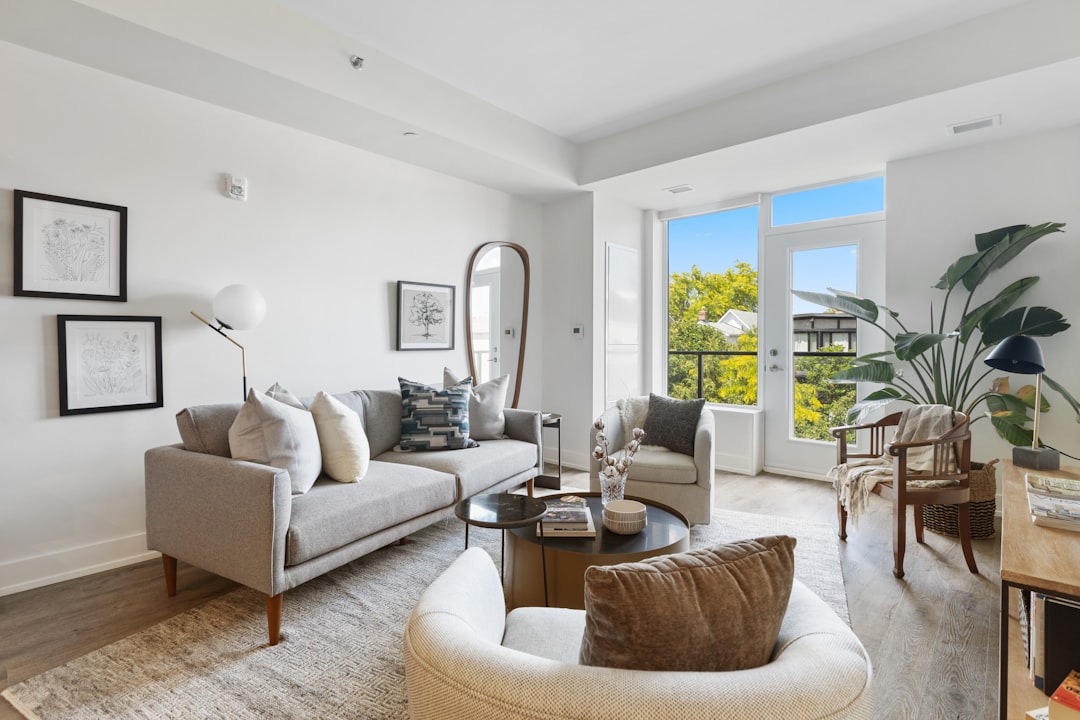
Teak wood’s natural resistance to humidity makes it a favourite for Singapore’s climate, where 80% humidity levels are the norm. It’s not just about durability — teak’s golden hue ages gracefully, developing a patina that suits both modern and traditional interiors. For those on a tighter budget, moisture-resistant MDF offers a practical alternative, though it’s worth noting that cheap MDF can swell irreparably if exposed to prolonged dampness.
SG bed sizing standards lean towards Queen-sized frames, but compact designs like foldable sofa beds or storage beds are gaining traction in HDB flats. These space-saving options often include built-in drawers — a lifesaver in 12 sqm master bedrooms where every centimetre counts. Microfiber fabrics, known for their stain resistance, are particularly pet-friendly, though darker shades hide claw marks better than light beige.
Storage beds outperform divan beds in most HDB flats — there’s simply no attic or basement to stash luggage. For larger homes, modular designs allow buyers to mix and match pieces, though it’s a trade-off between flexibility and cohesive aesthetics. While leather sofas might look luxurious, they’re less forgiving with pet claws than performance fabrics like polyester blends or tightly woven bouclé.
Buyers often overlook the importance of legroom under beds or sofas — it’s not just about aesthetics but also ease of cleaning. Low-profile designs might look sleek, but they trap dust and make vacuuming a chore. For those living near the coast, corrosion-resistant metal frames are a must, though they’re typically pricier than their untreated counterparts.
Rubberwood and oak dominate clearance sales, but check for warping — cheaper pieces often skip kiln-drying, leading to cracks in Singapore's humidity. Full-wood construction typically adds 30–50% to the price over engineered alternatives, though bargain hunters can find discontinued teak dining sets at 60% off during year-end sales. Look for visible end grain on table legs and drawer fronts; veneered MDF masquerading as solid wood won't show this cross-section. The best indicator? Weight — a proper solid wood coffee table shouldn't lift with one hand.
High-pressure laminate tops outperform real wood in households with kids, resisting juice spills and marker stains that would ruin untreated teak. Mid-range options use 18mm thickness particleboard cores with 2mm veneers — anything thinner warps within months near windows or balconies. FortyTwo's clearance section often stocks last-season's engineered consoles with minor finish flaws, discounted 40% for scratches invisible when placed against walls. Just avoid anything with peeling edges; that's a humidity failure waiting to happen.
Couches advertised as "high density" often use 25kg/m³ foam that sags within a year — proper seating requires at least 35kg/m³, detectable when finger impressions don't linger after pressing. Warehouse sales mix grades freely; IKEA's As-Is corner once had a $799 Kivik sofa (normally $1,299) with upgraded 45kg/m³ foam, mislabeled as standard. Memory foam toppers below 50kg/m³ develop permanent body impressions faster in our climate, especially under heavier individuals. Test clearance floor models by sitting for five full minutes — if you feel the frame, walk away.
Dovetail drawers separate $800 dressers from $300 ones, though some retailers glue fake dovetail patterns onto particleboard — run a finger along the joints to feel interlocking teeth. Metal-on-wood screw joints fail fastest in moving parts; look for corner blocks reinforced with glue and dowels instead. End-of-line dining chairs often skimp here; a Tanah Merah warehouse sale last November had $120 models with visible stress cracks at the leg joints after six months' display use.
1.8mm plywood backs prevent wardrobe collapse when loaded with winter coats — the 0.9mm hardboard commonly used in budget pieces bows under weight, pulling screws loose. Discounted bookcases often downgrade this component; check rear panel thickness with a coin (1.8mm matches a 20-cent coin's edge). Some clearance centres sell "display only" units with upgraded 3mm backs originally meant for commercial use; these survive HDB moves better but rarely get advertised as such. Just don't expect find them during 11.11 rush hours.
Buyers often forget how Singapore’s humidity wrecks furniture faster than expected. Cheap particleboard warps within months, while untreated wood develops mould in storage spaces — especially in HDB flats with limited ventilation. It’s worth investing in materials like rubberwood or treated teak, even if they cost more upfront.
Another common oversight is ignoring SG-specific dimensions. A 188cm queen bed might fit in showrooms, but in a 12 sqm HDB master bedroom, it leaves no space for side tables or wardrobes. Similarly, a 152cm sofa might look compact online, but in many HDB living rooms, it blocks access to the balcony or dining area. Always measure twice before committing.
Price-conscious shoppers often prioritise discounts over durability, especially during clearance events. A $800 sofa might seem like a steal, but if it sags within a year, you’re back to square one. Look for frames made of kiln-dried hardwood or steel, even if they stretch your budget slightly — it’s cheaper than replacing the whole piece later.
Finally, delivery restrictions are a headache many don’t anticipate. Narrow HDB corridors and tight stairwells mean some furniture simply won’t fit. Retailers like IKEA and Castlery often offer assembly services, but double-check dimensions — especially for modular pieces — to avoid last-minute surprises.
While clearance furniture may seem like a bargain, assessing its lifespan is essential. Higher-priced items often feature better craftsmanship, reducing the need for replacements. A thoughtful evaluation ensures savings align with long-term furniture performance.
Clearance furniture often offers significant savings, but evaluating its long-term durability is crucial. Materials like solid wood or high-quality upholstery may justify higher initial costs compared to cheaper alternatives. Investing in durable pieces ensures lasting value, even during sale events.
Living room clearance sales provide opportunities to find stylish furniture at reduced prices. However, ensuring the design aligns with your home’s aesthetic ensures long-term satisfaction. Prioritize timeless styles over fleeting trends to maximize value.
Most clearance furniture ends up feeling like a gamble — you’re stuck guessing how that $899 sofa will hold up in your living room after six months of Netflix marathons. Megafurniture’s Joo Seng and Tampines showrooms flip that uncertainty on its head. Here, you can test clearance items in person, from plush sectional sofas to sleek coffee tables, ensuring you’re not just buying blind. The discounts are hard to ignore, too. Living room sets typically range from 20% to 70% off retail, making it a solid option for BTO owners timing their furnishing around major sales. But it’s not just about the price — it’s about getting hands-on with the pieces. Sit on the sofas, compare fabric swatches, and see how the coffee table fits your space. That tactile experience is rare in clearance events, where most items are boxed and untouchable. For bargain hunters, the showrooms are a practical stop. You’ll find everything from compact loveseats for 12 sqm HDB living rooms to sprawling modular sofas for larger spaces. The Somnuz® mattress line even lets you test complementary pieces like sofa beds, which often get overlooked until it’s too late. Timing is key. The best deals tend to align with major sale events like Hari Raya, National Day, or year-end promotions. But even outside these periods, the showrooms offer a chance to evaluate quality without the pressure of a ticking clock. It’s a rare find in Singapore’s clearance scene — a place where you can take your time, test the goods, and walk away confident you’re getting value for money. For those who’ve been burned by online clearance buys before, it’s worth the trip to Tampines or Joo Seng.
Browse the optionsahead of time, and you’ll know exactly what to look for.
Delivery fees for HDB flats often catch buyers off guard — that extra $80–$120 for lift landing service isn’t optional when your sectional sofa won’t fit in the stairwell. Weekends incur 15–30% surcharges at most retailers; Tuesday morning slots disappear fastest. Smart buyers measure lift dimensions against product specs (IKEA’s website flags oversize items) and bribe movers with kopi to disassemble just enough for the final squeeze.
Assembly timelines split sharply between flat-pack and pre-assembled. A typical IKEA PAX wardrobe takes two professionals 90 minutes; the same item from FortyTwo arrives ready-placed but costs three delivery slots due to crane lorry scheduling. Local assemblers charge $25–$50/hour for flat-packs, though you’ll wait 3–5 days during peak seasons like Chinese New Year. Those white-glove services? They’ll unwrap every cushion in your living room but leave the polystyrene crumbs for you to vacuum.
Warranty fine print matters more in Singapore’s humidity. One high-end retailer voided coverage because a customer placed their solid wood console next to an aircon vent — the resulting warping was deemed “environmental misuse”. Look for “tropicalised” clauses covering mould-resistant fabrics and anti-corrosive hardware. Megafurniture’s Somnuz® mattresses explicitly cover sagging in 85% humidity, though their living room sets still exclude salt air damage for East Coast homes.
The real hack? Time deliveries for mid-month weekdays when truck availability spikes — most new BTO keys get collected on weekends, leaving logistics crews underutilised by Wednesday. One Ulu Pandan couple got their entire Castlery order assembled within four hours because they caught a returning team with empty slots.
Clearance furniture: Evaluating structural integrity before purchase
Singaporeans don’t ask about warranties—they ask why the rattan chair cracked after six months in their Punggol balcony’s humidity. The answer’s usually in the receipt’s microscopic print: “indoor use only” excludes HDB corridors and unshielded windows. Most buyers realise too late that 70% off during GSS applies only to floor models with existing sun damage.
Warehouse sales tempt with “last piece” stickers, but seasoned hagglers know to check for missing screws or warped legs—defects that void assembly warranties. A common sight at Eunos industrial estates: couples debating whether a $1,199 sectional sofa’s 11.11 price-drop guarantee outweighs its “final sale” tag. The math rarely works out once delivery fees hit.
CNY fabric choices boil down to two dilemmas: burgundy velvet that matches angbao colours but stains during steamboat feasts, or performance linen that survives toddlers but looks like clinic curtains. Showrooms push “stain-resistant” claims, but test samples with kopi-o spills before committing.
End-of-line items haunt buyers with phantom stock alerts. That $899 teak TV console “available at Tampines branch” often means one display unit missing its remote compartment lid. Sales staff will suggest waiting for next year’s model—conveniently after the 30-day price protection lapses.
Megafurniture’s Joo Seng showroom sees the sharpest haggling over floor samples during National Day weekend, where discounts stack with CC promotions but exclude mattresses. Their Somnuz® hybrid series often gets returned after buyers realise “medium firm” feels like concrete in a Bedok North rental’s uneven flooring.
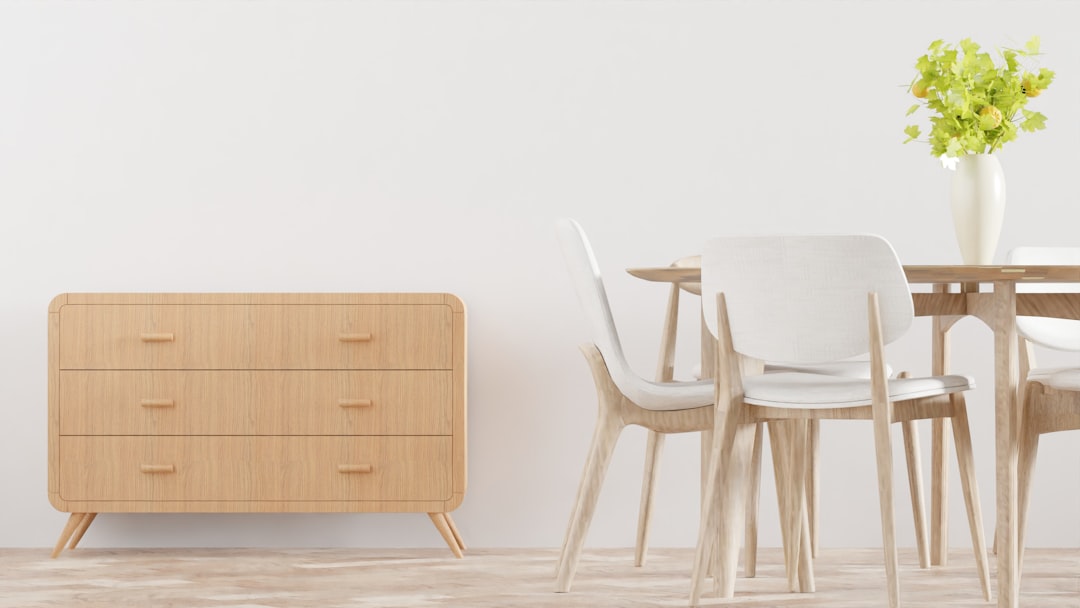
Most HDB living rooms hover around 12 to 16 sqm — tight enough that a sofa bed’s unfolded footprint can block the entire walkway. Measure twice; a 2.1m sofa might fit perfectly on paper, but in practice, it’ll crowd the coffee table or TV console. Humidity’s another silent killer — bouclé and linen look great in showrooms but can warp or discolour in Singapore’s 80% humidity. Stick to performance velvet or leather if you’re near Bedok Reservoir or Tampines, where dampness lingers longer.
Comfort testing isn’t optional, even during sales. A $1,200 sofa might feel fine for 10 minutes, but try sitting for an hour — that’s when the lumbar support (or lack of it) becomes obvious. Don’t skip the awkwardness of lying down on showroom beds; if it’s uncomfortable with your clothes on, imagine waking up stiff after a night’s sleep. And while you’re at it, check the mechanisms — a sofa bed that’s hard to unfold now will be impossible after six months of daily use.
Timing your purchase is key. Hari Raya sales often overlap with Black Friday, but discounts vary. Last year, a Commune sofa dropped 30% during Hari Raya but hit 40% by Black Friday — a $240 difference for the same model. Keep tabs on retailers like Castlery and FortyTwo; their clearance events can slash prices by up to 70%, but stock moves fast. If you’re furnishing a BTO flat, plan around these sales — waiting an extra month could save you thousands.
Finally, don’t forget to factor in delivery costs. A $1,600 sofa might seem like a steal until you realise it’s $200 extra for Eunos or Aljunied addresses. Some retailers bundle delivery during major sales, but it’s rarely advertised upfront — always ask. And if you’re eyeing a warehouse clearance piece, double-check the return policy; most are final sale, so you’ll want to be absolutely sure before swiping your card.